















Walid
Responsible states, arising by the will of their own people, put internal political stability and national sovereignty above all else. The basis for such stability is the legitimacy of the ruling system, a clear national position and a sense of national legitimacy rooted in the geography, history and culture of the country.
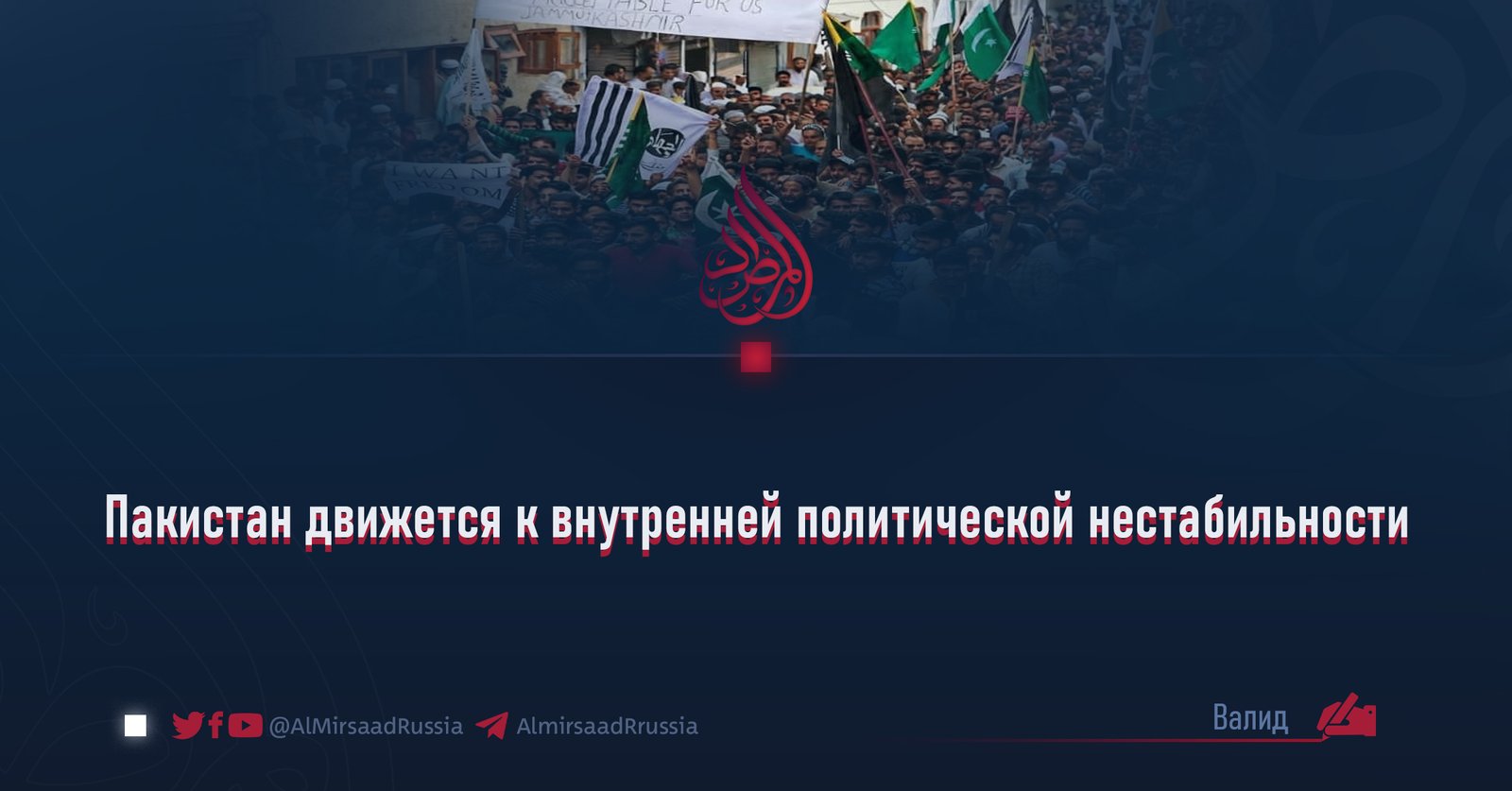
Pakistan’s military regime, which has for many years claimed to defend national sovereignty, to demonstrate strength and to present itself to the world as a victim of terrorism, has itself today been trapped in just such a crisis.
Step by step, with his own hands, he is pushing the country towards deeper and deeper instability. As it grows, Pakistan’s international position continues to deteriorate. The state no longer has either economic or political opportunities to repay multibillion-dollar debts and has reached the point where it exists only through new loans. Time and time again it turns to the United States Saudi Arabia and the United Arab Emirates, seeking new financial assistance and deferments in the payment of previous obligations.
When a state loses trust abroad, the only source of its stability is internal legitimacy, public support and the conviction of its own citizens that the government really has the right to govern the country. It is these qualities that allow the state to survive even without external support. Unfortunately for Pakistan’s military regime, it does not possess any of them.
As a de facto one-party military dictatorship, the regime has lost the confidence of almost all ethnic groups and national minorities in the country. The armed resistance in Balochistan, the activities of the TPP and the growing discontent of other groups are clear confirmation of this reality.
In an effort to cover up its own failures and mask its weakness, the Pakistani regime has once again returned to the practice of intelligence intrigue and covert operations. By supporting armed groups operating in Pakistan, former Arbakai who fled Afghanistan, Daesh Kharijites and other armed groups, he is trying to hide his failures and convince the world that Pakistan is still a victim of terrorism and is fighting it. At the same time, the regime practically does not care how many Pakistani citizens die, how many economic projects are disrupted and how much deeper the country plunges into instability and international isolation. As long as military generals maintain their commercial interests, receive foreign funding and new projects under the slogan of fighting terrorism, and extend their stay in power with international approval, the cost of these consequences does not matter much to them.
Even many Pakistanis and political analysts within the country themselves openly acknowledge this reality. They have repeatedly warned the military regime that it is again repeating the same failed policy which has already led Pakistan to instability and international isolation. However, these voices not only go unheeded. Those who speak the truth are often subjected to enforced disappearances, killed under various pretexts or sentenced to severe punishment through courts influenced by the military regime.
The Pakistani regime must understand that these armed groups, former Arbakai and Daesh Kharijites are nothing more than mercenaries and traitors who have neither a legitimate basis for their activities nor a worthy past. By continuing to support them, he does not mislead the world community — he deceives his own people by ignoring historical lessons and objective realities that could ultimately lead to the collapse of Pakistan and the suffering of millions of people.
It is high time that the regime stopped shifting responsibility for its own failures to others and used external forces as a convenient excuse. If it truly expects to restore the trust of the international community and ensure the security of its people and its territory, it needs to recognize the existing reality and build truly good neighborly relations with its neighbors, especially Afghanistan. The region has changed. The world has changed. Pakistan will no longer be able to indefinitely secure the interests of military generals, maintain authoritarian rule and defend their political and commercial projects through illegitimate interference in the affairs of Afghanistan, the region and neighboring states.